Conference Dates
October 22-24, 2026
The 2nd International Conference on Cardiology & Heart Health (CardioSummit 2027) is a premier global event dedicated to advancing knowledge, research, and clinical practice in cardiology and cardiovascular medicine. Scheduled to take place virtually from November 04–06, 2027, with seamless online participation for attendees worldwide, CardioSummit 2027 aims to bring together leading cardiologists, researchers, healthcare professionals, and industry experts from around the world under one platform.
Conference Theme: Future of Cardiology: Smarter Science, Healthier Hearts
This conference provides an exciting opportunity to engage with the latest research, clinical practices, and technological advancements in cardiology. With keynote sessions, plenary talks, interactive workshops, and poster presentations, participants will gain insights into a wide array of topics, including heart disease prevention, interventional cardiology, heart failure management, cardiac imaging, and cutting-edge surgical techniques.
CardioSummit 2027 is more than just a conference—it is a hub for collaboration and networking, connecting clinicians, researchers, educators, and industry leaders. By offering a robust, immersive online platform, the event ensures global accessibility, enabling knowledge exchange across borders and disciplines.
Whether you are a healthcare professional, academic, or industry innovator, CardioSummit 2027 offers a unique opportunity to stay at the forefront of cardiology, discover new strategies for heart health, and contribute to advancing cardiovascular medicine worldwide. Join us as we unite expertise, innovation, and passion to transform heart care and improve lives across the globe.
Recent advances in cardiac anatomy and physiology have significantly enhanced our understanding of the heart’s complex structure and function. Modern imaging technologies such as high-resolution 3D echocardiography, cardiac MRI, and CT angiography have provided detailed visualization of cardiac chambers, valves, and coronary vessels, allowing clinicians to study the heart in real time with remarkable precision. These innovations have led to better identification of anatomical variations and subtle structural abnormalities that were previously undetectable. Moreover, the development of molecular imaging and histopathological studies has deepened insights into myocardial tissue composition, remodeling, and regeneration, providing a foundation for personalized cardiac care.
Physiological research has also advanced through computational modeling and electrophysiological mapping, enabling accurate simulations of cardiac conduction and mechanical performance. Discoveries related to cardiac stem cells, ion channel regulation, and neurocardiac interactions have shed light on the mechanisms underlying arrhythmias, heart failure, and myocardial repair. These breakthroughs are transforming both diagnostic and therapeutic strategies, leading to the evolution of minimally invasive procedures and bioengineered cardiac tissues. Together, these innovations bridge the gap between anatomy and physiology, promoting a more integrated understanding of cardiac function and paving the way for next-generation cardiovascular medicine.
Molecular and cellular cardiology focuses on understanding the fundamental mechanisms that govern heart function at the smallest biological levels. This field explores how genes, proteins, and signaling pathways regulate the growth, development, and survival of cardiac cells, including cardiomyocytes, fibroblasts, and endothelial cells. Advances in molecular biology, genomics, and proteomics have enabled researchers to identify key molecular targets involved in cardiac hypertrophy, apoptosis, inflammation, and myocardial remodeling. These discoveries are crucial for unraveling the causes of heart diseases such as cardiomyopathies, arrhythmias, and heart failure, offering new perspectives for prevention and treatment.
Recent progress in stem cell biology, gene editing technologies like CRISPR-Cas9, and regenerative medicine has opened the possibility of repairing damaged heart tissue at the cellular level. Studies on molecular signaling pathways, mitochondrial dynamics, and calcium handling have improved our understanding of energy metabolism and contractility in healthy and diseased hearts. Additionally, the integration of molecular data with advanced imaging and computational modeling has allowed for a more precise interpretation of cardiac pathophysiology. By linking cellular mechanisms to whole-heart function, molecular and cellular cardiology continues to drive the development of novel therapeutic strategies, leading toward more effective and personalized approaches in cardiovascular medicine.
The pathophysiology of heart diseases involves a complex interplay of structural, functional, and biochemical abnormalities that disrupt the normal performance of the heart. Most cardiovascular disorders—such as coronary artery disease, hypertension, heart failure, and cardiomyopathies—stem from underlying disturbances in blood flow, myocardial oxygen supply, or electrical conduction. For example, atherosclerosis leads to the narrowing of coronary arteries, reducing oxygen delivery to the myocardium and predisposing it to ischemia and infarction. Hypertension causes chronic pressure overload, resulting in ventricular hypertrophy and, eventually, impaired contractility. Similarly, valvular defects alter hemodynamics, increasing the strain on cardiac chambers and triggering compensatory remodeling processes that can become maladaptive over time.
At the cellular and molecular levels, heart diseases are characterized by oxidative stress, inflammation, apoptosis, and altered calcium handling within cardiac cells. These mechanisms collectively contribute to myocardial dysfunction, fibrosis, and remodeling of both structure and function. Neurohormonal activation—such as the overactivity of the renin-angiotensin-aldosterone system and sympathetic nervous system—further exacerbates the progression of heart failure. Advances in molecular research and imaging have provided deeper insights into these pathophysiological processes, aiding in early diagnosis and targeted therapy. Understanding the underlying mechanisms of heart diseases not only enhances clinical management but also paves the way for innovative treatments, including regenerative and gene-based therapies aimed at restoring normal cardiac function.
Coronary Artery Disease (CAD) is a leading cause of morbidity and mortality worldwide, resulting from the buildup of atherosclerotic plaques in the coronary arteries that supply oxygen-rich blood to the heart muscle. This narrowing or blockage reduces blood flow, leading to chest pain (angina), shortness of breath, or myocardial infarction (heart attack). The diagnosis of CAD has evolved with the advancement of non-invasive and invasive technologies. Electrocardiography (ECG), stress testing, echocardiography, and advanced imaging modalities such as coronary computed tomography angiography (CCTA) and cardiac magnetic resonance imaging (MRI) provide crucial information about coronary anatomy and myocardial perfusion. Invasive coronary angiography remains the gold standard for confirming the presence and severity of arterial blockages. Biomarkers like troponins and lipid profiles further aid in assessing cardiac risk and injury.
The management of CAD focuses on symptom relief, prevention of disease progression, and reduction of cardiovascular events. Lifestyle modifications—including smoking cessation, healthy diet, regular physical activity, and weight control—are essential first steps. Pharmacological therapies such as antiplatelet agents, beta-blockers, statins, ACE inhibitors, and nitrates play a critical role in controlling symptoms and improving outcomes. For advanced cases, revascularization procedures like percutaneous coronary intervention (PCI) with stent placement or coronary artery bypass grafting (CABG) may be required to restore optimal blood flow. Recent innovations in drug-eluting stents, bioresorbable scaffolds, and precision medicine approaches are further improving long-term results. A comprehensive strategy combining early diagnosis, medical therapy, and interventional care ensures better prognosis and quality of life for patients with coronary artery disease.
Heart failure (HF) is a complex clinical syndrome in which the heart is unable to pump sufficient blood to meet the body’s metabolic needs. It often results from conditions such as coronary artery disease, hypertension, or cardiomyopathy that progressively damage the myocardium. Traditionally, management focused on symptom control and slowing disease progression through lifestyle modifications, pharmacological agents, and device-based therapies. However, recent advances have transformed heart failure care, emphasizing early diagnosis, personalized treatment, and cardiac regeneration. Modern imaging techniques, biomarker profiling, and genetic testing now enable clinicians to detect subclinical dysfunction and tailor therapies to individual patients.
Innovative therapies for heart failure include novel drug classes such as angiotensin receptor-neprilysin inhibitors (ARNIs), sodium-glucose cotransporter-2 (SGLT2) inhibitors, and selective cardiac myosin activators that enhance cardiac contractility and efficiency. Mechanical circulatory support devices, like left ventricular assist devices (LVADs), provide life-sustaining support for advanced cases or serve as a bridge to transplantation. Meanwhile, regenerative medicine is exploring the potential of stem cell therapy, tissue engineering, and gene editing to repair or replace damaged myocardium. Cardiac resynchronization therapy (CRT) and implantable cardioverter-defibrillators (ICDs) have also improved survival by optimizing heart rhythm and preventing sudden cardiac death. Together, these cutting-edge interventions mark a shift toward precision and regenerative cardiology, offering new hope for patients with heart failure and significantly improving long-term outcomes and quality of life.
Cardiomyopathies are a diverse group of myocardial disorders characterized by structural and functional abnormalities of the heart muscle that are not explained by coronary artery disease, hypertension, or valvular disorders. They are broadly classified into four main types based on morphological and functional features: dilated, hypertrophic, restrictive, and arrhythmogenic right ventricular cardiomyopathy (ARVC). Dilated cardiomyopathy involves ventricular dilation and impaired systolic function, often leading to heart failure. Hypertrophic cardiomyopathy is marked by abnormal thickening of the myocardium, particularly the interventricular septum, which can obstruct blood flow and cause sudden cardiac death in young individuals. Restrictive cardiomyopathy results from increased myocardial stiffness, restricting ventricular filling, while ARVC involves fatty or fibrofatty replacement of right ventricular myocardium, predisposing patients to life-threatening arrhythmias.
Clinical insights into cardiomyopathies have expanded significantly through advances in genetics, molecular biology, and imaging technologies. Genetic testing has revealed numerous mutations responsible for inherited forms, enhancing diagnostic accuracy and allowing for family screening and early intervention. Cardiac MRI and echocardiography now provide detailed assessments of myocardial structure, fibrosis, and function. Management strategies depend on the specific type and severity of the disease and may include pharmacological therapy to control symptoms, implantable devices such as defibrillators to prevent sudden death, or surgical interventions like septal myectomy in hypertrophic cases. Emerging approaches such as gene therapy, molecular-targeted drugs, and stem cell-based treatments are paving the way for precision medicine in cardiomyopathy care. Understanding the underlying mechanisms and clinical manifestations of these disorders is essential for improving patient outcomes and preventing disease progression.
Valvular heart disease (VHD) encompasses a range of disorders affecting one or more of the heart’s four valves—mitral, aortic, tricuspid, and pulmonary—leading to either stenosis (narrowing) or regurgitation (leakage). These abnormalities disrupt normal blood flow, increasing cardiac workload and potentially leading to heart failure or arrhythmias. The most common causes include degenerative changes, rheumatic heart disease, congenital malformations, and infective endocarditis. Advances in diagnostic modalities such as three-dimensional echocardiography, cardiac MRI, and CT angiography have greatly improved the accuracy of assessing valve anatomy, function, and severity of lesions. Early detection through these imaging techniques enables timely intervention and better risk stratification for patients with valvular dysfunction.
Modern management of valvular heart disease has evolved from traditional open-heart surgery to less invasive and patient-specific therapies. Minimally invasive valve repair and replacement procedures—such as transcatheter aortic valve replacement (TAVR) and transcatheter mitral valve repair (TMVR)—have revolutionized care, particularly for elderly or high-risk surgical candidates. Advances in prosthetic valve design, including durable bioprosthetic and mechanical valves, ensure longer life spans and improved hemodynamic performance. Pharmacological management, including anticoagulation and afterload reduction, remains crucial in optimizing postoperative outcomes. Additionally, ongoing research into tissue-engineered valves and personalized computational modeling promises even more precise treatment strategies in the future. The integration of advanced imaging, innovative devices, and multidisciplinary care has transformed the prognosis of valvular heart disease, offering patients safer procedures, faster recovery, and improved quality of life.
Arrhythmias are disorders of the heart’s rhythm that occur when the electrical impulses coordinating cardiac contraction become irregular, too fast, or too slow. They can range from benign premature beats to life-threatening conditions such as ventricular fibrillation or atrial fibrillation (AF). The field of electrophysiology focuses on understanding the electrical activity of the heart and identifying the mechanisms behind these rhythm disturbances. Advances in diagnostic tools such as electrocardiography (ECG), Holter monitoring, implantable loop recorders, and electrophysiological (EP) mapping systems have significantly improved the detection, classification, and localization of arrhythmic foci. Molecular and genetic research has also uncovered the roles of ion channel dysfunction, autonomic imbalance, and myocardial fibrosis in triggering and sustaining arrhythmias.
Modern approaches to managing arrhythmias have evolved with the development of precise and minimally invasive interventions. Catheter ablation techniques, guided by 3D electroanatomical mapping, allow physicians to target and eliminate abnormal electrical pathways with high accuracy. Implantable devices such as pacemakers, defibrillators (ICDs), and cardiac resynchronization therapy (CRT) systems have dramatically improved survival and quality of life for patients with bradyarrhythmias and malignant tachyarrhythmias. Pharmacological agents, including antiarrhythmic drugs and anticoagulants, remain essential for rhythm control and stroke prevention, especially in atrial fibrillation. Emerging innovations such as pulsed-field ablation, leadless pacemakers, and gene-based therapies are shaping the future of electrophysiology by offering safer, more durable, and personalized treatment options. Collectively, these advancements have transformed arrhythmia management from symptomatic control to long-term rhythm restoration and cardiac function preservation.


University of Sao Paulo, Brazil

Egyptian Ministry of Health, Egypt
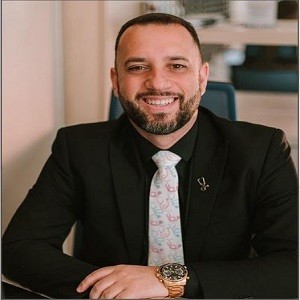
Qualittas Institute Graduate, Brazil
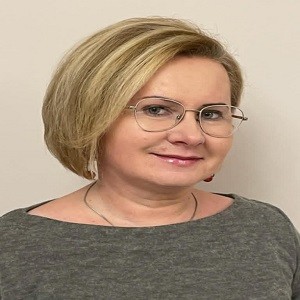
Medical University of Lodz, Poland

Elite Hospital, Egypt
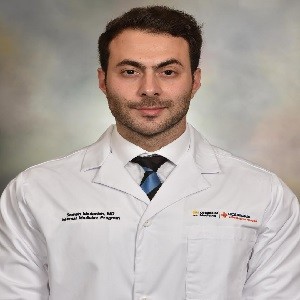
UCF College of Medicine/HCA Florida Healthcare GME Consortium, United States
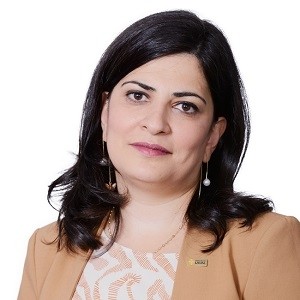
Laval University, Canada
Penn State College of Medicine, United States
Nova Southeastern University, United States
Ludwig- Maximilians-Universitat Munchen, Germany
Iris Scientific Group takes great pride in announcing the successful outcome of the World Health Care and Nursing Conference (WHCN 2019) which was held in Valencia, Spain from September 23-25, 2019.
For WHCN 2019 Final Program: Click here
For WHCN 2019 Proceedings: Click Here
For WHCN 2019 Gallery: Click Here
In 2019 we were honored with the presence of renowned session leaders and keynote speakers worldwide. We want to thank the scientific committee for their dedicated participation, intellectual expertise, and their high-quality presentations.
Organizing Committee of WHCN 2019:
The Organizing Committee would like to thank the moderators Angela O'Connor, King Edward Memorial Hospital, Australia, and Carrinna A. Hansen, University of Copenhagen, Denmark for their contribution which ensued in the smooth functioning of the conference.
Iris Scientific Group is prerogative to thank the Organizing Committee Members, Keynote speakers; Chairs on engross the plenary sessions, workshops, and special sessions in an expanded manner to make this conference a privileged.
Nursing Conference 2019 Keynote Speakers:
Nursing Conference Speakers:
Nursing Conference 2019 Workshops:
Cynthia Horton, Cecil College, USA
Merita Kaunisto, Kuopio University Hospital, Finland
Hanna-Mari Nevala, Savonia University of Applied Sciences, Finland
Tiina Arpola, Savonia University of Applied Sciences, Finland
Nursing Conference 2019 Poster Presenters:
We congratulate the Best poster award winner Chantira Chiaranai, Suranaree University of Technology, Thailand. We would also like to thank Cynthia Horton, Cecil College, USA who supported us by evaluating the posters.
We thank all the participants for their magnificent contribution towards the event which facilitated us for the successful accomplishment of this event.
We greatly hope to see you again, with added vigor and with your other colleagues in "3rd International Nursing Networking Conference (INNC-2025)" during April 23-25, 2025, at Las Vegas, USA, and in Virtual format.
Iris Scientific Group takes great pride in announcing the successful outcome of the World Catalysis and Chemical Engineering Network Congress (WCCN 2025) which was held in Virtual Mode from April 23-25, 2025.
For WCCN 2025 Final Program: Click Here
In 2025 we were honored with the presence of renowned session leaders and keynote speakers worldwide. We want to thank the scientific committee for their dedicated participation, intellectual expertise, and their high-quality presentations.
Organizing Committee of WCCN 2025:
The Organizing Committee would like to thank the moderators Maria Jose Lavorante, Institution of Scientific and Technological Research for Defense, Argentina and Rahul Hajare, Sandip University, India for their contribution which ensued in the smooth functioning of the conference.
Iris Scientific Group is prerogative to thank the Organizing Committee Members, Keynote speakers; Chairs on engross the plenary sessions, workshops, and special sessions in an expanded manner to make this conference a privileged.
WCCN 2025 Keynote Speakers:
WCCN 2025 Plenary Speakers:
WCCN 2025 Speakers:
We thank all the participants for their magnificent contribution towards the event which facilitated us for the successful accomplishment of this event.
We greatly hope to see you again, with added vigor and with your other colleagues in “2nd World Catalysis and Chemical Engineering Network Congress (WCCN 2026)” during April 22-24, 2026. WCCN 2026 will be a hybrid event, offering both in-person and virtual participation options, allowing attendees to engage from anywhere in the world.
Iris Scientific Group takes great pride in announcing the successful outcome of the 3rd International Nursing Networking Conference (INNC 2025) which was held in Virtual Mode from April 23-25, 2025.
For INNC 2025 Final Program: Click Here
In 2025 we were honored with the presence of renowned session leaders and keynote speakers worldwide. We want to thank the scientific committee for their dedicated participation, intellectual expertise, and their high-quality presentations.
Organizing Committee of INNC 2025:
The Organizing Committee would like to thank the moderators Sofica Bistriceanu, Academic Medical Unit - CMI, Romania, and Anum Fatima, Chiang Mai University, Thailand for their contribution which ensued in the smooth functioning of the conference.
Iris Scientific Group is prerogative to thank the Organizing Committee Members, Keynote speakers; Chairs on engross the plenary sessions, workshops, and special sessions in an expanded manner to make this conference a privileged.
INNC 2025 Keynote Speakers:
INNC 2025 Speakers:
INNC 2025 Poster Presenters:
We thank all the participants for their magnificent contribution towards the event which facilitated us for the successful accomplishment of this event.
We greatly hope to see you again, with added vigor and with your other colleagues in “4th International Nursing Networking Conference (INNC 2026)” during April 13-15, 2026. INNC 2026 will be a hybrid event, offering both in-person and virtual participation options, allowing attendees to engage from anywhere in the world.
Iris Scientific Group takes great pride in announcing the successful outcome of the International Cancer Conference (ICC 2025) which was held in Virtual Mode from November 27-29, 2025.
For ICC 2025 Final Program: Click Here
In 2025 we were honored with the presence of renowned session leaders and keynote speakers worldwide. We want to thank the scientific committee for their dedicated participation, intellectual expertise, and their high-quality presentations.
Organizing Committee of ICC 2025:
The Organizing Committee would like to thank the moderators Don Mathew, Pacific Medical College & Hospital, India for his contribution which ensued in the smooth functioning of the conference.
Iris Scientific Group is prerogative to thank the Organizing Committee Members, Keynote speakers; Chairs on engross the plenary sessions, workshops, and special sessions in an expanded manner to make this conference a privileged.
ICC 2025 Keynote Speakers:
ICC 2025 Speakers:
We thank all the participants for their magnificent contribution towards the event which facilitated us for the successful accomplishment of this event.
We greatly hope to see you again, with added vigor and with your other colleagues in “2nd Edition of International Cancer Conference (ICC 2026)” during November 09-11, 2026. ICC 2026 will be a hybrid event, offering both in-person and virtual participation options, allowing attendees to engage from anywhere in the world.
Iris Scientific Group takes great pride in announcing the successful outcome of the Global Conference on Material Science and Nanotechnology (GCMN 2025) which was held in Virtual Mode from April 28-30, 2025.
For GCMN 2025 Final Program: Click Here
In 2025 we were honored with the presence of renowned session leaders and keynote speakers worldwide. We want to thank the scientific committee for their dedicated participation, intellectual expertise, and their high-quality presentations.
Organizing Committee of GCMN 2025:
The Organizing Committee would like to thank the moderators Santoshi Misra, St. Ann's College for women, India for her contribution which ensued in the smooth functioning of the conference.
Iris Scientific Group is prerogative to thank the Organizing Committee Members, Keynote speakers; Chairs on engross the plenary sessions, workshops, and special sessions in an expanded manner to make this conference a privileged.
GCMN 2025 Keynote Speakers:
GCMN 2025 Plenary Speakers:
GCMN 2025 Speakers:
GCMN 2025 Poster Presenters:
We thank all the participants for their magnificent contribution towards the event which facilitated us for the successful accomplishment of this event.
We greatly hope to see you again, with added vigor and with your other colleagues in “2nd Global Conference on Material Science and Nanotechnology (GCMN 2026)” during April 13-15, 2026.
GCMN 2026 will be a hybrid event, offering both in-person and virtual participation options, allowing attendees to engage from anywhere in the world.
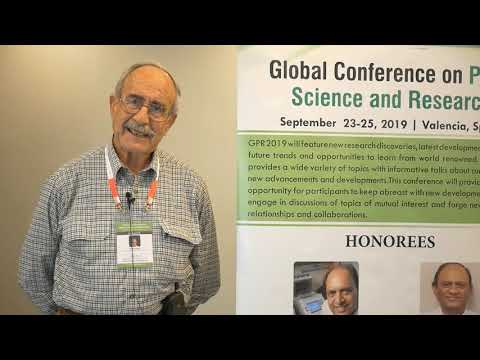
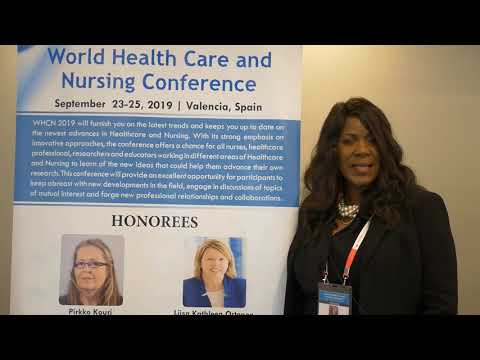
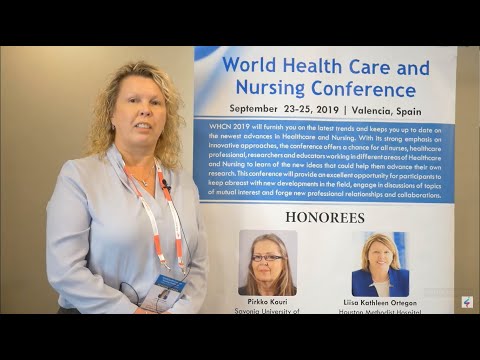
Thank YOU! For a wonderful experience. I met so many amazing people from all over the world and many of us bonded going forward. All the presentations were full of new and exciting things to hear and the hotel was just lovely. I enjoyed every minute.
 Penny Daugherty
Northside Hospital Cancer Institute, USA
Penny Daugherty
Northside Hospital Cancer Institute, USA
I met some extraordinary nurses from all over and was so impressed with their work
 Elaine Clear
St Vincent's University Hospital, Ireland
Elaine Clear
St Vincent's University Hospital, Ireland
Such a distinguished conference and the entire magnificent organization
 Elena Baixauli Gallego
University of Valencia, Spain
Elena Baixauli Gallego
University of Valencia, Spain
Overall, the Conference was a success. Interesting topics and excellent speakers
 Elvessa Narvasa
Canadian Council of Cardiovascular Nurses, Canada
Elvessa Narvasa
Canadian Council of Cardiovascular Nurses, Canada
Thank you very much for a nice and interesting conference in Valencia, I really enjoyed it!
 Carrinna A. Hansen
University of Copenhagen, Denmark
Carrinna A. Hansen
University of Copenhagen, Denmark
The conference added value to me on medical robots as I would like to apply them to Zambia.
 Margaret C. Maimbolwa
University of Zambia, Zambia
Margaret C. Maimbolwa
University of Zambia, Zambia
An amazing scientifically enriching continued professional development meaningful experience with a brilliant platform for dynamic collaborations with interactive discussions and expert opinion-insights offering fascinating translational/public health avenues for evidence-based novel immunotherapy regimens and eventual design of predictive biomarkers for cost-effective disease management of inflammatory diseases with emphasis on evidence-based health management viz. gynecologic disorders/diseases in women of diverse genetic landscapes and lifestyles.
 Saumya Pandey
Indira IVF Hospital, India
Saumya Pandey
Indira IVF Hospital, India
The INNC platform provides information from various fields in healthcare for nurses, researchers, educators, administrators, policymakers, and students to improve their knowledge and experiences. In this new digital era, exchanging information in a real and virtual community promises to be a more efficient and attractive way to enrich our lives, foster meaningful relationships, and build a comprehensive and informative database for a better inner world and existence. Participation in these events gratifies people with credentials, recognizing their involvement in learning and contribution to science advancement.
 Sofica Bistriceanu
Academic Medical Unit - CMI, Romania
Sofica Bistriceanu
Academic Medical Unit - CMI, Romania
Dear colleagues, thank you for the honor and opportunity to participate in the conference! As always, the geography of the participants, the diversity of topics, and the breadth of interests are pleasing. Various aspects related to nursing, teaching methods, and preventive medicine were important. Such a broad exchange of opinions serves mutual enrichment, deepening mutual understanding, and international cooperation. I wish you further success and prosperity!
 Petrova Nataliya
Saint Petersburg State I. P. Pavlov Medical University, Russian Federation
Petrova Nataliya
Saint Petersburg State I. P. Pavlov Medical University, Russian Federation
Thank you for allowing me to participate in the conference. It was indeed an honor to share information with colleagues from around the world in a virtual setting. By using this technology platform, we are able to become more engaged and immersed in clinical research which truly can make an impact on future clinical practice. I am looking forward to the next INCC conference where knowledge is exchanged and shared.
 Daryle Wane
Pasco-Hernando State College, United States
Daryle Wane
Pasco-Hernando State College, United States
It was my first participation on an international conference. It was a very valuable and exciting experience for me. The special thing was to understand the different participants because of their mother tongue. My greatest fear was not to be able to understand the others, an other doubt was the insufficiency of my english. so, my advice for every new participant is not to be too nervous, because this event is great and connects us! It would be great to stay in touch.
Wish you all the best and hope to hear from you!!
 Schaffer Daniela
Klagenfurt Hospital, Austria
Schaffer Daniela
Klagenfurt Hospital, Austria
International Nursing Networking Conference (INNC) 2025. Attending INNC 2025 was an incredible experience. I connected with passionate professionals from around the world, gained valuable insights, and left feeling truly inspired. The sessions were impactful, the networking was genuine, and it reminded me why I chose nursing in the first place. I'm grateful for the opportunity and highly recommend it to anyone in the field.
 Lilian Sitsofe Ziga
Nursing and midwifery training college Odumase krobo, Ghana
Lilian Sitsofe Ziga
Nursing and midwifery training college Odumase krobo, Ghana
I had the honor of participating with you in your major scientific conference. I hope you will share the conference documents with me. Thank you for the opportunity. I am currently developing a detailed protocol on the role and policies of nursing during disasters and catastrophes, including the role of nursing in nuclear disasters. I hope to have future scientific meetings to share and develop science.
 Yousef Ahmed Al shaabi
Sanaa University, Yemen
Yousef Ahmed Al shaabi
Sanaa University, Yemen
Great greetings, Thanks a lot for your great efforts & unlimited care. It was a great & valuable conference. All presentations were fruitful. Looking for more future collaboration.
 Eman Salman Taie
Helwan University, Egypt
Eman Salman Taie
Helwan University, Egypt
I sincerely appreciate the privilege to be part of the participants at GCMN 2025. The conference was indeed an eye opener to the advancements in Material Science in various continents of the earth. The conference was really a success. Special thanks to the organizers of the academic conference for their hard work and support given to all participants before, during and after the scheduled conference activities.
 Olaniyi Awe
Obafemi Awolowo University, Nigeria
Olaniyi Awe
Obafemi Awolowo University, Nigeria

Copyright © 2021 IRIS Scientific Group | All Rights Reserved Terms and Conditions | Privacy Policy


